Flash Flood & Runoff Cleanup in Fontana, CA
Hard, dry ground sheds rain fast, and foothill storms can send muddy runoff into north Fontana garages and homes. The mitigation team treats it as Category 3 water from the start.
(888) 578-6508Get a local pro on the line in Fontana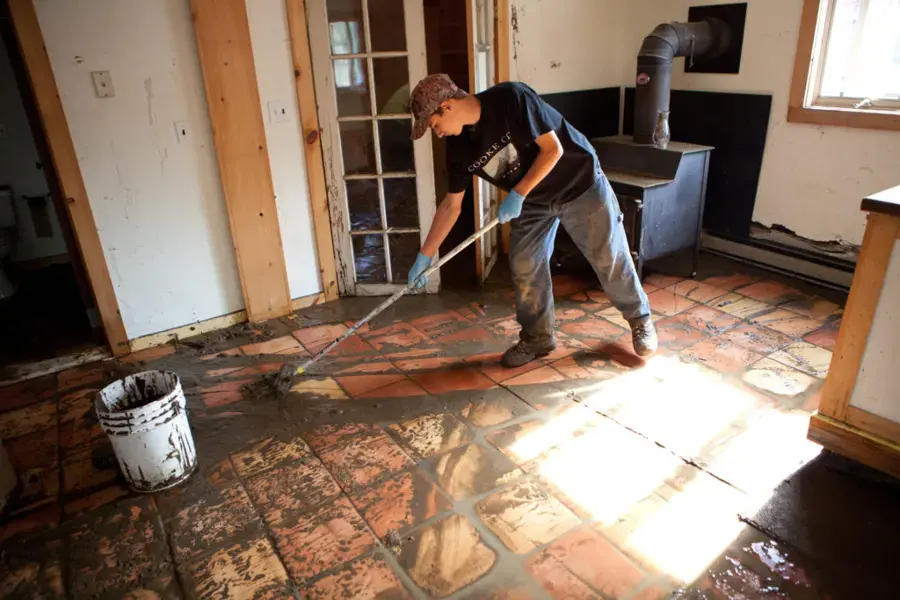
What to do the moment you find flash flood damage
- Stay out of the water
Floodwater can hide electrical hazards, debris and sewage.
- Kill power from a dry spot
Only if the panel is dry and you can reach it without wading.
- Photograph from outside
Record the water line and damage before cleanup starts.
- Call before you shovel
Early mud removal with protection keeps contamination from spreading.
What does flash flood and runoff cleanup cost in Fontana, CA?
In Fontana, CA, flash flood and runoff cleanup typically runs $3,000 to $15,000 or more, because Category 3 water means removing porous materials, cleaning mud, antimicrobial treatment and longer drying.
- Mud and water removal
- Flood cut on drywall
- Antimicrobial and drying
- Flooring and insulation out
- Containment
- HEPA air scrubbers
- Wide material removal
- Deep cleaning
- Extended structural drying
What moves the number: the depth and spread of the water, mud volume, how many porous materials must come out, and how fast cleanup started.
For a closer planning range, try the water damage cost calculator. Every range here is typical, not a quote.
How flash flood damage is handled in Fontana
Walkthrough and moisture map
The tech who does the walkthrough finds the source and maps how far the water traveled, with thermal imaging and pinless meters.
Extraction
The extraction crew pulls standing water with truck-mounted extraction so it leaves the building instead of spreading to the next room.
Drying set to the room
The drying team sets air movers to each room's evaporation load and runs LGR dehumidifiers, desiccants for Class 4 materials.
Daily readings to dry
Most crews record readings daily and pull equipment once wet materials sit within 2 to 4 points of a dry reference.
Fontana sits below the San Gabriel Mountain foothills, with the Lytle Creek wash to the east and the San Sevaine and Etiwanda channels carrying storm water across the valley. Most years the channels do their job. During heavy winter storms, and especially after wildfires strip the slopes above, runoff can carry mud and debris toward north Fontana neighborhoods. Short, intense monsoon storms in late summer can overwhelm streets and yard drains anywhere in town.
Why floodwater is Category 3 the moment it arrives
- Runoff carries soil, street oil, yard chemicals and sewage from overflowing lines
- Porous materials touched by Category 3 water get removed, not dried
- Mud left in wall cavities keeps them wet and feeds growth
- Containment and HEPA air scrubbers keep dust out of clean rooms
Muddy water in the house? Stay out of it, photograph it from a dry spot, and call.
Call for Fontana flood and mud cleanupHow flash flood cleanup works
The extraction crew pulls water and mud first, often with shovels and squeegees before the extraction wands. Wet drywall is cut above the flood line, insulation and carpet come out, and the mitigation team cleans and applies an EPA-registered antimicrobial to the framing and slab. Only then does structural drying begin, with air movers, LGR dehumidifiers and daily readings. The Ready.gov flood page covers safety during and after a flood, and the San Bernardino County Flood Control District manages the local channels.
Flood coverage is its own question
Standard homeowners policies usually exclude surface flooding, which is covered by separate flood insurance. The FloodSmart site from the National Flood Insurance Program explains how that works. Sewage pushed up by the storm is handled like any sewage backup, and rain through the roof is a roof leak.
How flash flood damage work is held to the S500 standard
Rapid local response
The response team answers day or night and gets a crew rolling toward Fontana and the nearby Inland Empire cities, day or night.
IICRC S500 drying standard
IICRC S500 is the industry drying standard. Crews map moisture first and pull equipment only when readings say dry.
Claim-ready documentation
Most crews log daily moisture readings and take timestamped photos before any demolition, which is what an adjuster reads.
Inland Empire water experts
Slab leaks, hard-water pinholes, AC overflows and foothill runoff are the losses Fontana homes actually have.
Flash Flood and Runoff Cleanup coverage across Fontana
The restoration team takes flash flood damage calls from every Fontana ZIP and the neighboring Inland Empire cities.
The restoration crew takes flash flood damage calls from North Fontana, Sierra Lakes, downtown, South Fontana and Southridge Village, plus Rialto, Bloomington, Rancho Cucamonga and Ontario.
ZIP codes 92331, 92334, 92335, 92336 and 92337 are all covered.
See every neighborhood and ZIP coveredFlash Flood and Runoff Cleanup questions in Fontana, CA
Is floodwater always Category 3?
Yes. Runoff and rising surface water carry soil, chemicals and sewage, so it is handled as Category 3 from the start.
Can carpet and drywall be saved after a flood?
Porous materials touched by Category 3 water, like carpet, pad and the lower drywall, are removed, not dried. Hard surfaces are cleaned and treated.
Does homeowners insurance cover flash floods?
Standard policies usually exclude surface flooding; separate flood insurance covers it. Coverage depends on your policies, so it is worth checking with your own insurer.
Where does flooding happen in Fontana?
Runoff risk is higher in north Fontana below the foothills, especially after wildfires, and in low spots near channels and washes during heavy storms.
How long does flood drying take?
Five to ten days is common once materials are removed, longer for slabs and framing that sat wet.
Is it safe to clean mud myself?
It is not recommended without gloves, boots and a respirator. Mud from runoff carries bacteria and chemicals, and wet electrical systems add risk.
Related water damage services in Fontana
Flash Flood and Runoff Cleanup in Fontana? Call now.
The longer the water sits, the further it wicks into slab, drywall and framing. The Fontana water damage pros answer day or night.