Roof Leak Water Damage in Fontana, CA
Fontana gets most of its rain in a few hard winter storms, and dry-season roofs find their weak spots all at once. The drying team dries the attic, ceilings and walls once the roof is covered.
(888) 578-6508Get a local pro on the line in Fontana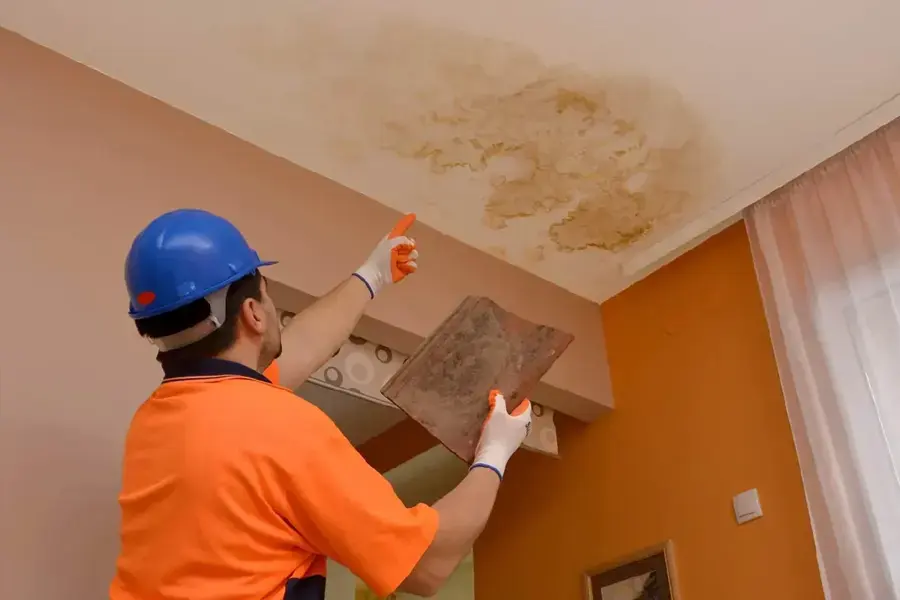
What to do the moment you find roof leak damage
- Protect what is below
Move furniture and electronics, and set buckets under drips.
- Cut power to wet fixtures
Switch off lights and fans in the wet ceiling at the breaker.
- Tarp when it is safe
Never climb a wet roof in a storm; a roofer can tarp it.
- Photograph inside and out
Record ceiling stains and roof damage for the claim file.
What does roof leak water damage cost in Fontana, CA?
In Fontana, CA, interior roof leak water damage typically runs $900 to $6,000 or more, not counting roof repair, depending on how much attic insulation and drywall got wet and how many rooms the storm reached.
- Attic insulation pulled
- Ceiling section dried
- Air movers
- Drywall removed
- Walls below checked
- LGR dehumidifier
- Multiple leak points
- Category 2 handling
- Extended drying
What moves the number: how many leak points the storm opened, attic insulation and drywall wet, the water category after it sat, and how fast drying started.
For a closer planning range, try the water damage cost calculator. Every range here is typical, not a quote.
How roof leak damage is handled in Fontana
Walkthrough and moisture map
The tech who does the walkthrough finds the source and maps how far the water traveled, with thermal imaging and pinless meters.
Extraction
The extraction crew pulls standing water with truck-mounted extraction so it leaves the building instead of spreading to the next room.
Drying set to the room
The drying team sets air movers to each room's evaporation load and runs LGR dehumidifiers, desiccants for Class 4 materials.
Daily readings to dry
Most crews record readings daily and pull equipment once wet materials sit within 2 to 4 points of a dry reference.
Long, hot dry seasons bake roof underlayment and crack sealant around vents and flashings. Then an atmospheric river or a string of winter storms tests every seam at once. Concrete tile roofs, common across Fontana, usually leak at broken or slipped tiles and worn underlayment; low-slope and flat sections leak at seams and drains. The water soaks attic insulation before it ever stains a ceiling.
Where Fontana roofs usually leak
- Slipped or cracked tiles and worn underlayment below them
- Flashing around chimneys, skylights and vent pipes
- Flat roof seams, scuppers and clogged drains
- Valleys where two roof planes meet
Rain coming through the ceiling? Get a tarp on the roof and call to start drying inside.
Talk to someone about the Fontana roof leakHow roof leak damage is dried inside
A roofer or the restoration contractor who responds tarps the roof first, because drying is pointless while rain still gets in. Inside, the tech who does the walkthrough checks the attic, the ceiling and the exterior walls below with meters. Wet insulation is removed, stained drywall that stays soft comes down, and the drying team runs air movers and an LGR dehumidifier until readings reach the goal. Rainwater that sat in insulation for days is handled as Category 2. The National Weather Service San Diego office posts storm warnings for the Inland Empire.
Storm leak or flood?
Rain through the roof is usually handled differently from surface water coming in at ground level. Water that flows in under doors is covered on the flash flood cleanup page, and plumbing leaks from above are ceiling leaks. The FEMA flood insurance page explains the difference.
How roof leak damage work is held to the S500 standard
Rapid local response
The response team answers day or night and gets a crew rolling toward Fontana and the nearby Inland Empire cities, day or night.
IICRC S500 drying standard
IICRC S500 is the industry drying standard. Crews map moisture first and pull equipment only when readings say dry.
Claim-ready documentation
Most crews log daily moisture readings and take timestamped photos before any demolition, which is what an adjuster reads.
Inland Empire water experts
Slab leaks, hard-water pinholes, AC overflows and foothill runoff are the losses Fontana homes actually have.
Roof Leak Water Damage coverage across Fontana
The restoration team takes roof leak damage calls from every Fontana ZIP and the neighboring Inland Empire cities.
The restoration crew takes roof leak damage calls from North Fontana, Sierra Lakes, downtown, South Fontana and Southridge Village, plus Rialto, Bloomington, Rancho Cucamonga and Ontario.
ZIP codes 92331, 92334, 92335, 92336 and 92337 are all covered.
See every neighborhood and ZIP coveredRoof Leak Water Damage questions in Fontana, CA
What should I do when the roof leaks in a storm?
Move belongings, catch the drip, switch off power to wet fixtures and photograph everything. Do not climb onto a wet roof; a roofer or restoration crew can tarp it.
Does wet attic insulation need to be replaced?
Usually. Wet blown-in and batt insulation holds water, loses its value and dries slowly, so the wet section is removed.
Why does my tile roof leak when tiles look fine?
The tiles shed most water, but the underlayment below them keeps the house dry. Old, sun-baked underlayment is often the real failure.
Can interior drying start before the roof is fixed?
Once the roof is tarped and no more water gets in, yes. Drying under an active leak just wastes time.
Is roof leak damage covered by insurance?
Storm damage is often reviewed differently from wear and tear or old roofs. Coverage depends on your policy, so it is worth checking with your own insurer.
How long does drying take after a roof leak?
Three to six days is typical once the roof is covered and wet insulation and drywall are removed.
Related water damage services in Fontana
Roof Leak Water Damage in Fontana? Call now.
The longer the water sits, the further it wicks into slab, drywall and framing. The Fontana water damage pros answer day or night.